GPT-6.1 Terra: what is this model and what does it mean for brands?
GPT-6.1 Terra is OpenAI’s mid-sized model, released on 26 October 2026, designed to run on a computer: it understands what…
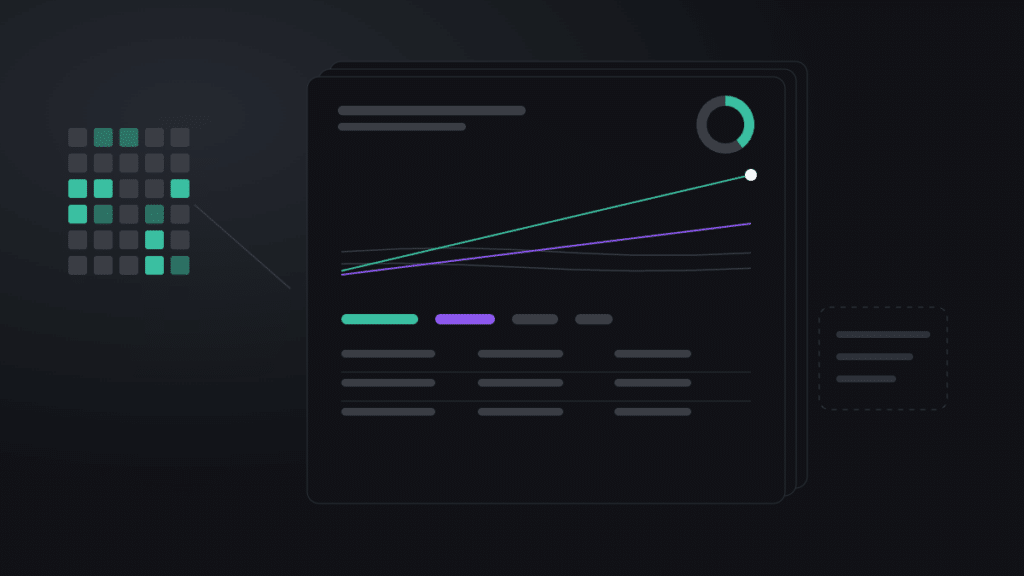
A good visibility report in AI shows the client how many responses mention their brand, whether they cite their website, who the models recommend instead, and what has changed since the previous period. It does not show rankings or individual screenshots, as AI responses change almost every time the system is run. A monthly report works best, based on daily measurements of the same set of queries across several models, with a description of the actions taken and a plan for the coming month.
This text is part of the guide Brand visibility in AI: how it works and how to measure it. We write it mainly for SEO and marketing agencies that manage their clients’ visibility in AI.
Terms that should be used consistently throughout the report include reference, citation and sentiment. It’s a good idea to explain them to the client once and then stick to the same terms.
Once a month. A shorter period mainly highlights variability in responses, whilst a longer one signals problems too late. However, the data for the report should be based on more frequent measurements: daily or at least weekly. Only then is the monthly result an average of many measurements, rather than a fluke from a single day. Read more in the article How often should visibility be measured?.
It is worth highlighting changes to the models in the report. An example from October 2026: 7 and 8 October ChatGPT he switched to GPT-6, and free and paid users were given two different models. Results from before and after that date must be compared as separate periods. We explain this in the text GPT-6 in ChatGPT: what it means for brand visibility.
Ideally, before the client even asks about them, in the first report. Three things that are worth stating clearly:
When a customer sends a screenshot with the caption „we’re not on ChatGPT”, the answer is in the report: this is just one of many attempts, and it’s the percentage of the total that counts.
By keeping a log of changes with dates and comparing it with the results for subsequent periods. An example from the Wapiennik „Węże” case study, a lime producer based in Działoszyn:
Between the first and second reports, a statement of compliance with the standard, a table of specifications and a section on pricing were added to the website. In a report for a client, such a table, accompanied by a change log, conveys more information than a description alone. However, it must be fairly noted that a few measurements of a single brand do not fully distinguish the effect of the measures from model variability. The entire process is described From zero to 63% visibility in AI in five weeks and An AI model recommends a brand for the first time.
Keeping them in separate sections, as they measure different things:
Copilot gets additional data from the free AI Performance report in Bing Webmaster Tools, which shows which Copilot subpages and AI responses in Bing are cited. For ChatGPT, Claude, Gemini and Perplexity, no such report is available from the providers.
If models provide incorrect information about a client, it is worth mentioning this in a separate section. The text explains how to correct such errors AI is providing false information about the company.
At Aelo, measurements are carried out daily across four models: ChatGPT, Claude, Gemini and Perplexity. Once a month, a full report is generated, compiling the results from all scans: brand presence, mentions, competition and the way the models talk about the brand. The results are fed into a knowledge graph Synapsis, and on this basis we draw up plans for Tickets, which can easily be moved to the „plan” section of the client report.
Agencies can manage several brands under a single account on the Pro and Custom plans, and on the Custom plan they can use the white-label version and the API. Full details are available on the website Aelo for agencies, and the whole process is described in An AI-powered brand visibility platform: how Aelo works. You can check the client’s brand’s current status at free measurement.
Once a month, based on data from daily or weekly measurements. A shorter period mainly highlights variability in the response, whilst a longer period signals problems too late.
The percentage of responses in which the brand is mentioned, broken down by model, and whether the models cite the client’s website. Context is provided by competitors mentioned in the same responses and the way in which the models describe the brand.
As an illustration, yes; as evidence, no. A single screenshot represents a single attempt, and the AI’s responses vary almost every time it is run. Base your conclusions on the percentage derived from multiple measurements.
In Aelo, the white-label version is available on the Custom plan. On the other plans, you can transfer the report data to your own agency template.